
Texas storm season arrives fast, and trees are often the first things to fail when wind and hail hit. Preparing your trees before severe weather strikes can prevent property damage, power outages, and costly emergency removals.
At NEON Monkey Tree Services, we help North Texas homeowners storm-proof their trees before spring and summer weather turns dangerous. Here’s how to reduce wind and hail damage and keep your property safer during storm season.

Why Storm Preparation Is Critical for Texas Trees
High winds, heavy rain, and hail place extreme stress on trees—especially those with dense canopies or weak structure. Many storm-related failures happen not because trees are unhealthy, but because small issues were ignored.
Proper storm preparation helps:
- Reduce limb and tree failure
- Protect roofs, vehicles, and power lines
- Improve tree stability and balance
- Prevent emergency situations during severe weather
Preparing early is far more effective—and less expensive—than reacting after a storm.
Identify High-Risk Trees and Limbs
Before storm season begins, inspect your trees for visible warning signs. Look for dead branches, cracked limbs, split trunks, or trees leaning toward structures. Overextended branches and dense canopies catch wind more easily, increasing the chance of breakage.
A professional evaluation can uncover hidden structural issues and determine which trees pose the highest risk. Our certified team provides thorough assessments through our arborist services.
Trim Trees to Reduce Wind Resistance
Strategic pruning is one of the most effective ways to prepare trees for storms. Proper tree trimming removes weak, dead, and overgrown limbs while improving airflow through the canopy.
Storm-focused trimming helps:
- Reduce wind drag
- Prevent limb overload from rain and hail
- Improve overall structural balance
Avoid excessive thinning or topping, which can weaken trees and increase storm damage.
Strengthen Vulnerable Trees with Cabling and Bracing
Some trees have structural defects that pruning alone can’t fix. Trees with multiple trunks, heavy lateral limbs, or previous storm damage may benefit from added support.
Cabling and bracing systems provide internal reinforcement, helping trees withstand strong winds and sudden impacts from hail. These systems are installed by professionals and designed to support natural movement without restricting growth.
Improve Root Stability Before Storms
A tree’s strength starts below ground. Compacted soil, poor drainage, or shallow roots reduce stability during high winds. Addressing root-zone issues before storm season improves anchoring and overall tree health.
Services like air spading can relieve soil compaction and improve oxygen and water flow to roots, helping trees better resist storm stress.
Know When Tree Removal Is the Safer Option
Not every tree can or should be saved. Trees with severe decay, hollow trunks, or extreme lean pose a serious danger during storms. In these cases, proactive tree removal is often the safest and most cost-effective choice.
Removing high-risk trees before storm season reduces the chance of emergency situations and protects surrounding structures.
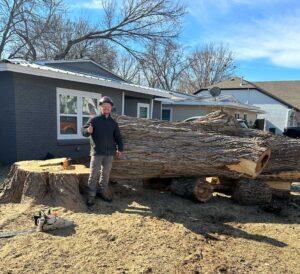
What to Do After a Storm Hits
If a storm causes damage, avoid approaching downed limbs or partially fallen trees. These situations can be extremely dangerous due to hidden tension and nearby power lines.
Our emergency tree service provides fast, professional response to storm-damaged trees, helping restore safety and prevent further damage.
Prepare Now to Avoid Storm-Related Tree Emergencies
Storm season tree preparation isn’t just about trimming—it’s about identifying risks, strengthening structure, and making smart decisions before severe weather arrives.
If you’re concerned about how your trees will hold up this storm season, contact NEON Monkey Tree Services to schedule a professional storm-prep evaluation. Taking action now can save your trees, your property, and your peace of mind.